

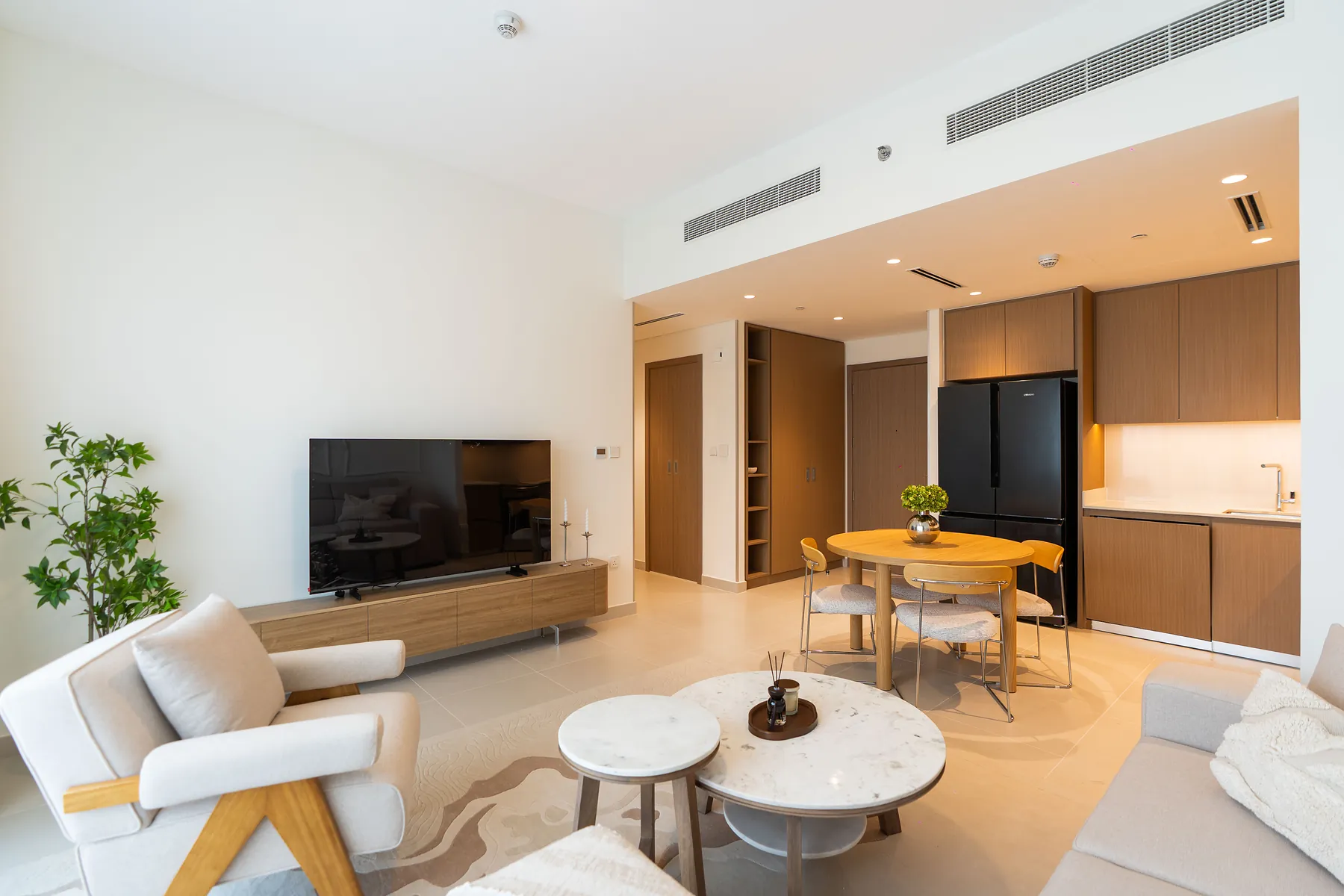
A villa renovation becomes much easier when the scope, technical requirements and finishing work are planned properly from the beginning. A little preparation before work starts can save time, money and frustration later.
Start with what the property needs to do
Before choosing finishes, decide what the renovation is for. Are you upgrading a home you live in, preparing the villa for tenants, or getting it ready to sell? Each goal leads to different priorities. A family home may need better storage and a more practical kitchen. A rental property usually benefits from durable finishes that are easy to maintain.
Look at the condition first
New paint and flooring will not solve problems hidden behind the walls. Before planning the visible work, check the condition of the electrical system, plumbing, AC units and drainage, and look for signs of damp, cracks or past leaks. A site assessment at this stage helps you understand what has to be fixed before anything is upgraded.
Put the scope in writing
A clear scope is the most useful document in any renovation. List the rooms involved, what will be removed or kept, the technical work required and the finishes you expect. When everyone works from the same list, it is easier to compare quotations, plan the work and avoid misunderstandings once work has started.
Check approvals before work begins
Many communities and buildings in Dubai have their own rules for renovation work, including working hours, access for workers and materials, and approvals for certain types of changes. Structural changes, alterations to the exterior and some technical works may need permission from the developer, community management or the relevant authority. Confirm what applies to your villa before you start, so the work is not interrupted later.
Plan the order of work
Renovations run more smoothly when work happens in a sensible sequence. Technical work such as electrical, plumbing and AC changes usually comes first, followed by walls, ceilings and partitions. Flooring, joinery and painting come next, with fixtures, fittings and final touches at the end. Doing things in the wrong order often means undoing finished work.
Think about living arrangements
If you plan to stay in the villa during the renovation, consider dust, noise and access to the kitchen and bathrooms. Working in phases can help, but it usually takes longer overall. If the property is empty, the work can often be completed more efficiently.
Leave room for the unexpected
Older properties in particular can reveal issues once walls, ceilings or floors are opened. Keeping some flexibility in your budget and timeline means a surprise does not stop the project.
Finish with a proper check
Before the renovation is handed over, walk through every room and check the work against the agreed scope. Test switches, sockets, taps, drains and AC units, and note anything that needs attention. A careful final check is the difference between a renovation that looks finished and one that is finished.